


Twenty-six years ago, Amy Lynn Bradley vanished into thin air. A vibrant, athletic, 23-year-old woman with a college degree, a new job waiting, and a life she was excited to build gone without a trace. And yet, her case remains one of the most haunting and frankly, enraging reminders of how unsafe women still are in spaces designed for leisure.
Amy disappeared on March 24, 1998, during a Royal Caribbean cruise in the Caribbean. She had been dancing at the ship’s nightclub with her brother Brad and some members of the live band. They returned to the family suite around 3:45 a.m. Amy stayed out on the balcony. By 6 a.m., she was gone.
Article Content
A Mother’s Intuition, Ignored
Amy’s mother, Iva, had shared that Amy had been uneasy about the cruise from the start. Despite being an experienced swimmer, she was nervous about the open ocean. But this trip wasn’t Amy’s idea it was a family vacation gifted by her father’s company. She didn’t want to go. She went anyway.
When Amy was discovered missing, her parents begged the ship’s crew not to let passengers disembark. They begged for announcements. They begged for the gangway to stay up. And what did Royal Caribbean do? They prioritised passenger experience over a young woman’s life. The gangway went down. People walked off. And if someone took Amy she likely left the ship that morning, in plain sight.
What Happens When Women Disappear on Cruises?
Cruise ships operate in legal gray zones. Once international waters are involved, jurisdiction gets murky, and companies often prioritize public relations over real protection. Even the FBI had to wait 24 hours before arriving, long after Amy was already gone.
The cruise line declined to seal the ship, refused to announce the disappearance, and later claimed they did “everything appropriately.” Yet her family had to search common areas themselves while terrified. And the only thing Royal Caribbean did offer? A lawsuit for “emotional distress,” which was eventually thrown out.
Was Amy a Victim of Human Trafficking?
Several sightings of Amy have been reported over the years from a brothel in Curaçao to a bathroom in Barbados, even a woman named “Jas” on an adult website. The descriptions match. The tattoos match. But still no one has been held accountable. No meaningful investigation has closed the case.
Amy may have been targeted. She was seen dancing with Alister “Yellow” Douglas, a musician on the ship, just hours before she disappeared. Her brother claims Douglas even expressed condolences before the disappearance was public knowledge. When questioned, nothing was found but suspicion has long lingered.
Cruises Are Not Safe Spaces for Women
This isn’t just about Amy. According to advocacy groups like International Cruise Victims, crimes, especially those against women, are underreported, mishandled, and often swept under the deck. The stories are chillingly similar: delayed responses, no accountability, and victims forgotten.
Cruise lines sell paradise. But the reality is darker. There are no police at sea. No safe zones. And when something happens to a woman, the first instinct seems to be damage control, not rescue.
We Can’t Let Amy Be Forgotten
Amy Lynn Bradley didn’t jump. She didn’t run away. She didn’t “accidentally fall overboard” in broad daylight without a trace. She was taken. And her story should shake all of us because it could have been any of us.
Her family has spent decades searching. We owe them, and every woman who’s been failed by these systems, more than silence.
If this happened in 2024, would it be different? Maybe. Maybe not. But what’s certain is this: until cruise lines are held accountable and women’s safety is treated as non-negotiable, these “floating paradises” will remain a trap.
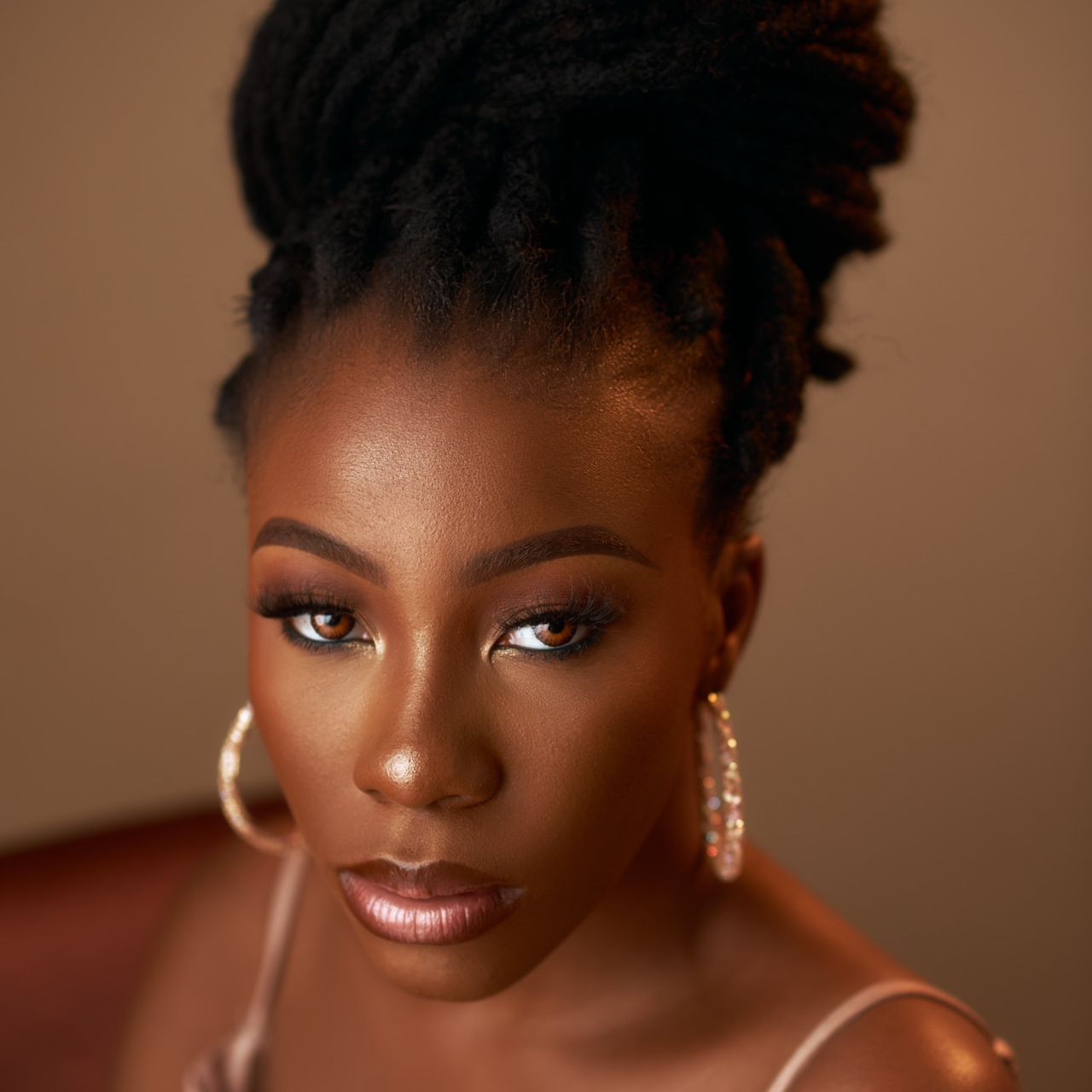
Olekanma Favour is a resourceful, self-motivated, and result-driven writer with a passion for crafting compelling narratives and insightful content. She loves tackling complex topics and weaving engaging stories.
When she’s not writing, Olekanma enjoys immersing herself in a good book, exploring new cuisines, and discovering new cultures.