

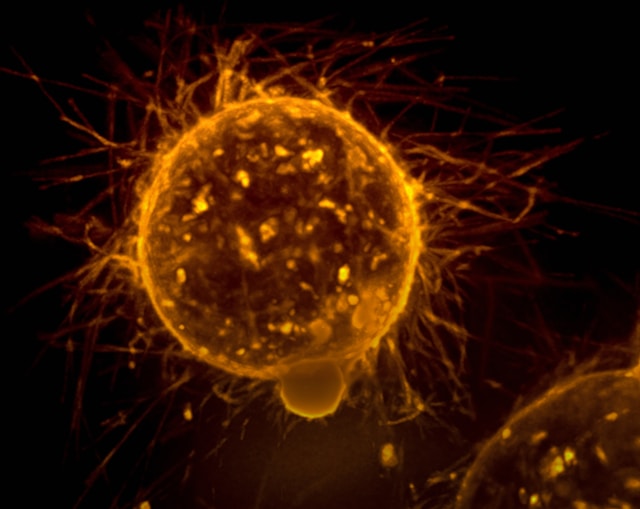

A groundbreaking ‘super vaccine’ has been developed by researchers that has shown impressive results in preventing the spread of various aggressive cancers. The experimental vaccine, created by scientists at the University of Massachusetts Amherst, has shown promise in preventing melanoma, pancreatic, and triple-negative breast cancers in mice.
The vaccine, designed to activate the immune system through multiple pathways combined with cancer-specific antigens, has been successful in preventing tumour growth and reducing the spread of cancer in some cases. Previous research has demonstrated the vaccine’s ability to shrink and clear cancer in mice, as well as stop the spread of cancer to the lungs.
Using antigens that match the specific type of cancer being targeted, the vaccine has shown high tumour rejection rates in mice with pancreatic, breast, and melanoma cancers. By mimicking how cancer spreads in the body, researchers were able to show that the vaccine was effective in preventing metastasis, the main cause of tumour mortality.
The concept of ‘memory immunity’ plays a significant role in the effectiveness of immunotherapy, as the immune system is able to remember and respond to cancer cells systemically throughout the body. This memory immunity is crucial in fighting against the spread of cancer and improving survival rates.

Peace Nero is a writer and blogger who loves to explore different topics of self-development. She shares her personal experiences in order to help people discover their true purpose in life.