

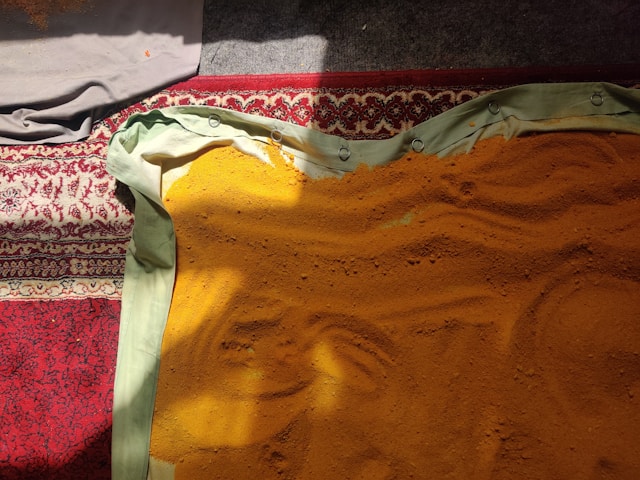

Zimbabwe has recently implemented a ban on the sale of second-hand clothes due to concerns over drug smuggling and threats to national security. The government is cracking down on criminal networks using the trade as a cover for drug trafficking, as bales of imported clothing have been found to conceal drugs and bed bugs. This poses health and security risks to the community.
Minister Daniel Garwe of Local Government and Public Works emphasized the negative impact of the influx of second-hand clothes on Zimbabwe’s domestic cotton industry, leading to unemployment and the closure of manufacturing facilities. He described some vendors as elusive and contributing to substance abuse problems in communities. While recognizing the economic contributions of honest vendors, the government is taking decisive action against those involved in illicit activities.
The ban on the sale of second-hand clothes also extends to night vending across the country, following an import prohibition imposed last year by the Ministry of Industry and Commerce. These measures aim to address the growing issue of drug dealers using second-hand clothes as a means to distribute drugs, creating a dangerous situation for the public.
By addressing the link between the sale of second-hand clothes and criminal activities, the government is taking a proactive stance to safeguard the well-being of its citizens and protect national security.

Peace Nero is a writer and blogger who loves to explore different topics of self-development. She shares her personal experiences in order to help people discover their true purpose in life.