

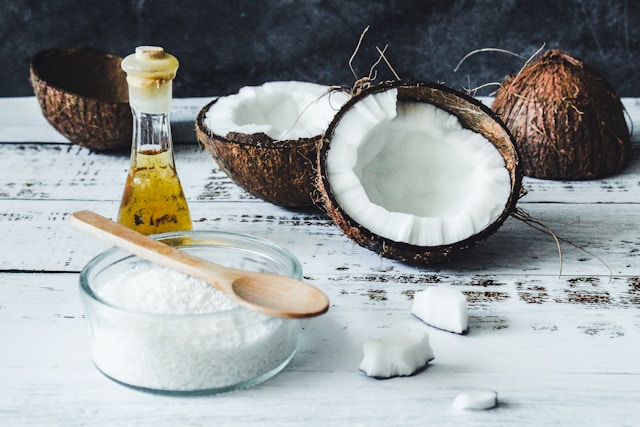

Coconut oil is becoming increasingly popular as a natural alternative for all sorts of things, from beauty to food.
But what if you use it as a personal lubricant? Though some people swear by using it when it comes to moisturizing and being slippery, there are a few things to keep in mind before adding coconut oil into your intimate lineup. Here’s what you need to know.
Article Content
Benefits of Using Coconut Oil as Lube
Natural & Chemical Free: Since coconut oil is natural, there are no synthetic chemicals involved, as in most store bought lubrication. It is therefore a great choice for sensitive skin or for those who prefer natural products.
Moisturizing Properties: Its hydrating quality can help prevent dryness and discomfort during intimacy and also promote soft and smooth skin.
Long Lasting: Coconut oil tends to dry out more slowly compared to water-based lubes, making it a less-frequent reapplication product.
Delightful Aroma and Flavor: With the subtle tropical aroma and taste of coconut oil, sensations are amplified, making them a great go-to with oral play activities.
Potential Downsides of Using Coconut Oil as Lube
Not Compatible With Latex Condoms: Since coconut oil can deteriorate latex, if you use condoms, choose non-latex brands such as polyurethane or polyisoprene.
Risk of Yeast Infection: Although coconut oil is antifungal, its oily nature can sometimes alter the vagina’s normal pH balance for some women and increase the risk of yeast infections. Those are just some of the steps women who risk these infections are being urged to take.
Staining Problems: Coconut oil, like all oils, will stain fabric. So be careful around sheets and clothing, among other materials.
Not FDA-approved for personal use: Coconut oil is listed as safe for use in cooking and on the skin, but it has not been tested or approved by the FDA for use as a personal lubricant.
Tips for Using Coconut Oil as Lube Safely
Choose Virgin Coconut Oil: Use high-quality, virgin or extra-virgin coconut oil free of irritating ingredients or chemicals.
Test for Allergies: Before applying it on sensitive areas, apply a small bit of coconut oil on a small area of skin, such as your inner arm, to see if you have an allergic reaction.
Not advised for Use with Latex Condoms: Use coconut oil with option on the condom or in situations where condoms are not necessary for protected sex.
Make It Clean: To prevent contamination and guarantee safety for intimate use, always keep coconut oil in a clean, sealed container.
Listen to Your Body: If you experience any irritation, itching or abnormal discharge following the use of coconut oil, discontinue the use of coconut oil and consult your health care provider.
When Not to Use Coconut Oil as Lube?
Women who get yeast infections or bacterial vaginosis regularly.
Those who are using latex condoms to protect against pregnancy or STIs. Particularly those with an established coconut allergy.
Coconut Oil Alternatives
Not a fan of coconut oil? Use these instead:
Water-Based Lubricants: Compatible with all condoms and easy to cleanup.
Silicone-Based Lubricants: Super long-lasting and compatible with latex condoms.
Aloe Vera Gel: A natural alternative, but use one that has no additives, preservatives.

Peace Nero is a writer and blogger who loves to explore different topics of self-development. She shares her personal experiences in order to help people discover their true purpose in life.