
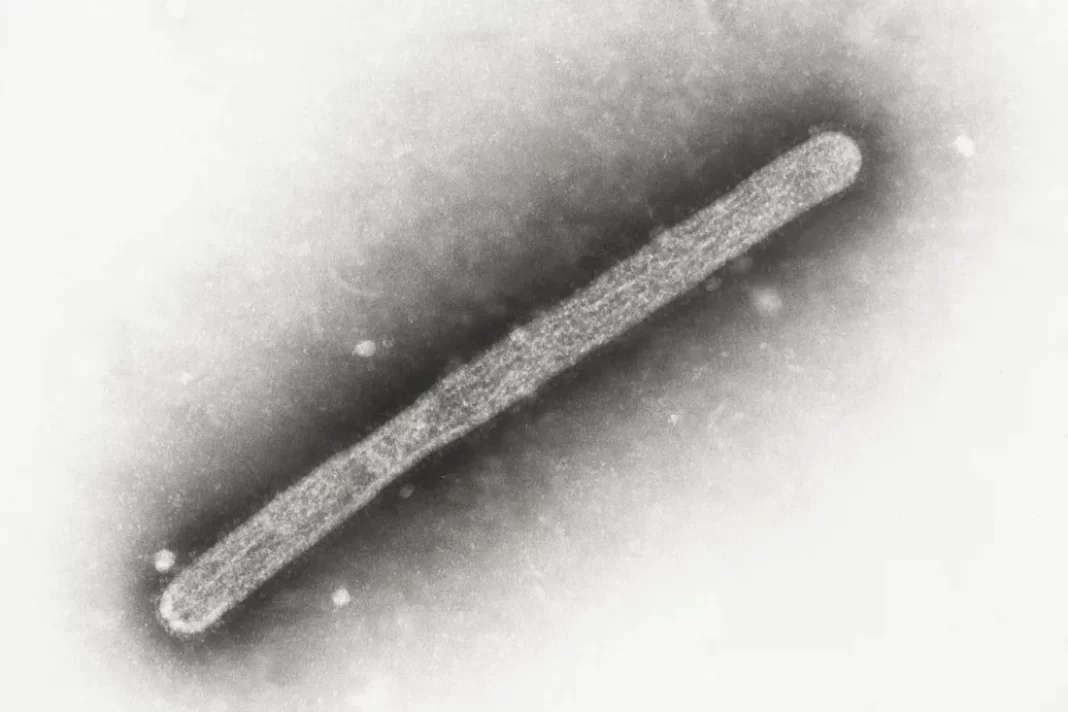

H5 bird flu, which is widely found in wild birds, U.S. dairy cows, with several recent human cases reported among U.S. dairy and poultry workers has now spread to Canada.
Health officials announced on Saturday that a case of H5 bird flu is believed to have been detected in a human in Canada for the first time.
A teenager from British Columbia tested positive for the virus and is currently hospitalized.
The test results are being sent to another lab for confirmation.
Officials are investigating how the teenager was exposed to the virus and are tracing recent contacts to assess the need for additional testing and monitoring for symptoms.
Here’s all you need to know about Bird Flu and the precautionary measures to take:
What is Bird flu?
Bird flu refers to strains of the influenza virus that primarily infect birds and can also infect humans.
Known as H5N1, the virus typically infects wild birds, but it spilled over into commercial poultry in 2022 and affected cattle in March 2024.
This type of flu is most commonly contracted through contact with sick birds, but it can also be transmitted from person to person.
Since then, a few people exposed to sick animals have contracted the avian virus.
While the virus seems to be contained to farms, there’s always a risk of mutations that could allow it to spread among humans as the new cases with US and Canada.
How big of a public health threat is the bird flu?
According to the Centers for Disease Control and Prevention, almost 50 cases of bird flu have been detected in the U.S., mostly in California and Colorado.
The current risk to the general public is low because bird flu is not spreading from person to person.
If you’re concerned about eating food products from sick animals, rest assured that pasteurized milk is safe.
Cooking meat to the appropriate temperature will eliminate the flu virus if it’s present.
Those working on farms and exposed to infected animals are at the highest risk.
Most people who have been infected have experienced mild symptoms, including respiratory issues and conjunctivitis, and none of the farmworkers with HPAI have been hospitalized, according to the CDC.
The safety measures farmworkers should take is to always use personal protective equipment when handling sick or dead animals and getting tested if they show any symptoms.

Olekanma Favour is a resourceful, self-motivated, and result-driven writer with a passion for crafting compelling narratives and insightful content. She loves tackling complex topics and weaving engaging stories.
When she’s not writing, Olekanma enjoys immersing herself in a good book, exploring new cuisines, and discovering new cultures.