
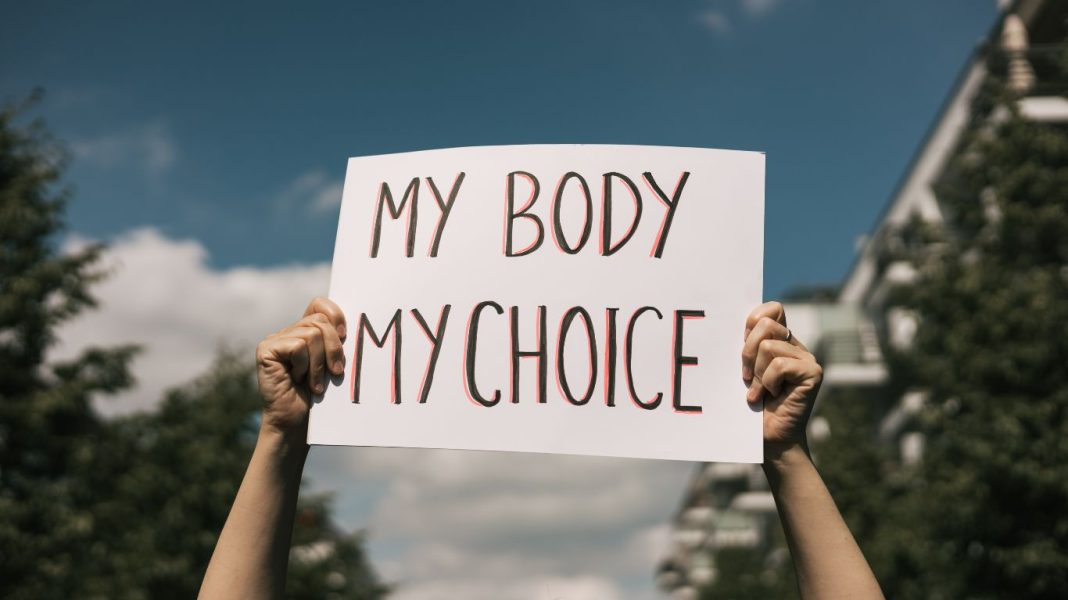

The landscape of abortion rights in the United States has been reshaped dramatically in recent years, leading to a patchwork of laws that vary significantly from state to state. The legal framework surrounding abortion rights has evolved, especially since the landmark Dobbs v. Jackson Women’s Health Organization decision by the Supreme Court in 2022, which overturned Roe v. Wade and returned the power to regulate abortion to individual states.
Article Content
Understanding the Current Landscape
In the aftermath of Dobbs, states now hold full authority to regulate, restrict, or protect abortion access within their borders. This decision led to swift and significant policy changes, with some states imposing complete bans on abortion and others enshrining protections into law. Currently, abortion legislation can be broadly categorized into three types:
- Restrictive States: These states have imposed strict limits on abortion, with some enacting near-total bans.
- Protective States: These states have enacted laws to safeguard access to abortion.
- Neutral States: Some states have neither strong protections nor bans, resulting in moderate restrictions but not outright bans.
States with Restrictive Abortion Laws
Many states moved quickly to impose bans on abortion following the Dobbs ruling. Some of the strictest restrictions include near-total bans and bans with only limited exceptions, such as cases involving risks to the pregnant individual’s life.
- Texas – Texas enforces a strict abortion ban at approximately six weeks of pregnancy (often referred to as a “heartbeat law”). Additionally, Texas allows private citizens to file lawsuits against anyone assisting with an abortion.
- Missouri – Missouri implemented a near-total ban on abortion, with exceptions only in cases where the individual’s life is at risk.
- Louisiana – Louisiana’s law prohibits abortion in nearly all cases, with exceptions only for life-endangering circumstances or cases of severe health risks to the pregnant individual.
- Oklahoma – Oklahoma’s law bans all abortions except those necessary to save the life of the pregnant person.
- Arkansas – Arkansas enforces a near-total ban on abortion with limited exceptions for medical emergencies.
In these restrictive states, the penalties for providing or facilitating an abortion can be severe, with some laws permitting lawsuits against abortion providers or others who assist in procuring the procedure.
States Protecting Abortion Access
In response to the tightening restrictions in other regions, some states have established abortion protections, ensuring legal access within their borders. These protective laws are particularly significant for residents of restrictive states who may travel to access abortion services.
- California – California has been proactive in safeguarding abortion rights, passing laws to ensure access for state residents and people travelling from states with restrictive abortion laws.
- New York – New York has solidified abortion access by codifying protections in state law and providing resources for abortion care.
- Illinois – Illinois passed laws protecting abortion rights and ensuring access to reproductive health services for residents and those travelling from other states.
- Colorado – Colorado enacted legislation guaranteeing abortion access and clarifying that individuals can make reproductive health decisions without state interference.
- Washington – Washington state passed laws to protect reproductive rights, including safeguarding access to abortion and contraceptive services.
States with Moderate Abortion Restrictions
Some states have opted to maintain a middle-ground approach, enforcing restrictions on abortion access while not imposing outright bans.
- Florida – Florida’s law permits abortion up to 15 weeks into pregnancy but includes additional regulations and requirements.
- Georgia – Georgia allows abortion up to approximately six weeks but has several regulations and restrictions that limit access.
- Virginia – Virginia permits abortion through the second trimester but imposes additional requirements and regulations on providers.
- Michigan – While Michigan has some restrictions, the state has also resisted implementing more restrictive measures post-Dobbs.
Federal Responses and Nationwide Impact
The shift in abortion laws has led to an increased focus on federal responses and advocacy efforts aimed at expanding or protecting reproductive rights on a nationwide level. Key aspects include:
- Interstate Travel – With restrictive states bordering protective states, interstate travel has increased for those seeking abortion services.
- Medical Abortion Access – Access to abortion pills (medication abortion) has become an area of legal debate, especially in restrictive states that attempt to ban or limit access to such medications.
- Local Initiatives – Municipalities in some restrictive states have passed ordinances protecting access to reproductive health services within city limits, providing a haven within states with broader restrictive laws.
The disparity in abortion laws by state has significant implications for healthcare providers, residents, and individuals who may travel across state lines for services. The increased complexity of navigating abortion access can disproportionately affect marginalized groups, including low-income individuals, who may face additional barriers to accessing services. The variation in state laws also affects healthcare providers, who may face criminal or civil penalties in some states, further complicating the availability of reproductive health services.
What is The Future of Abortion Rights
As states continue to introduce new legislation, the legal landscape surrounding abortion rights remains fluid. Advocacy groups, legal organizations, and state lawmakers are actively engaged in legal battles that could reshape abortion rights further. In the absence of a federal mandate, access to abortion services in the United States will continue to be largely determined by individual state governments.

The Urban Woman Magazine Editorial Team is made up of seasoned writers and editors who have a keen eye for detail and a passion for all things urban. We strive to create fresh, original content that appeals to the modern woman. Our mission is to provide a platform for women to share their stories, experiences and opinions on various issues affecting their lives.