

On June 24, 2022, the United States Supreme Court overturned Roe v. Wade, the landmark 1973 decision that had guaranteed the constitutional right to abortion nationwide. This ruling, issued in Dobbs v. Jackson Women’s Health Organization, ended nearly 50 years of federally protected abortion rights and returned the authority to regulate abortion laws to individual states. The decision sparked widespread reactions across the country, from protests and demonstrations to state-level legislative responses.
Article Content
Background on Roe v. Wade
The original Roe v. Wade decision, issued on January 22, 1973, established that the right to privacy under the Fourteenth Amendment extended to a woman’s right to choose to have an abortion. The ruling divided pregnancy into trimesters, allowing states to impose increasing restrictions on abortion as pregnancy progressed, but preventing states from banning abortion outright before fetal viability (around 24 weeks). For nearly five decades, Roe served as the cornerstone of abortion rights in the United States, with subsequent cases like Planned Parenthood v. Casey (1992) upholding the essential framework of Roe but allowing states to impose certain restrictions.
The Path to Overturning Roe
The reversal of Roe v. Wade became possible due to shifts in the Supreme Court’s composition, particularly with the appointments of conservative Justices Neil Gorsuch, Brett Kavanaugh, and Amy Coney Barrett by former President Donald Trump. By 2022, the Supreme Court had a 6-3 conservative majority, which opened the door to revisiting Roe and other precedents regarding reproductive rights.
The case that ultimately overturned Roe, Dobbs v. Jackson Women’s Health Organization, centered on a Mississippi law that banned most abortions after 15 weeks of pregnancy, well before the previously accepted viability standard. Lower courts had blocked the law, ruling that it conflicted with Roe and Casey. However, the Supreme Court agreed to hear the case, with many anticipating it could lead to a significant ruling on abortion rights.
The Dobbs Decision: Overturning Roe v. Wade
On June 24, 2022, the Supreme Court released its opinion in Dobbs v. Jackson Women’s Health Organization. In a 5-4 decision, the Court ruled that the Constitution does not confer a right to abortion, effectively overturning both Roe v. Wade and Planned Parenthood v. Casey. Justice Samuel Alito authored the majority opinion, stating that Roe was “egregiously wrong from the start” and that abortion should be regulated by elected representatives in the states, not by federal mandate.
Chief Justice John Roberts did not join the opinion to overturn Roe outright but did support the Mississippi law’s 15-week restriction. However, the majority decision to fully overturn Roe was supported by Justices Clarence Thomas, Neil Gorsuch, Brett Kavanaugh, Amy Coney Barrett, and Samuel Alito.
The Aftermath: State Responses and Nationwide Impact
With the overturning of Roe v. Wade, individual states gained full authority to regulate or ban abortion. Several states had already enacted “trigger laws” designed to automatically ban or severely restrict abortion if Roe was overturned. Within days of the ruling, multiple states implemented near-total bans, while others moved to restrict abortion access with varying degrees of limitations.
At the same time, states like California, New York, and Illinois moved to protect and expand abortion rights, ensuring that abortion remained legal and accessible within their borders. The ruling effectively created a divided landscape across the U.S., with stark differences in abortion access depending on one’s state of residence.
Public and Political Reactions
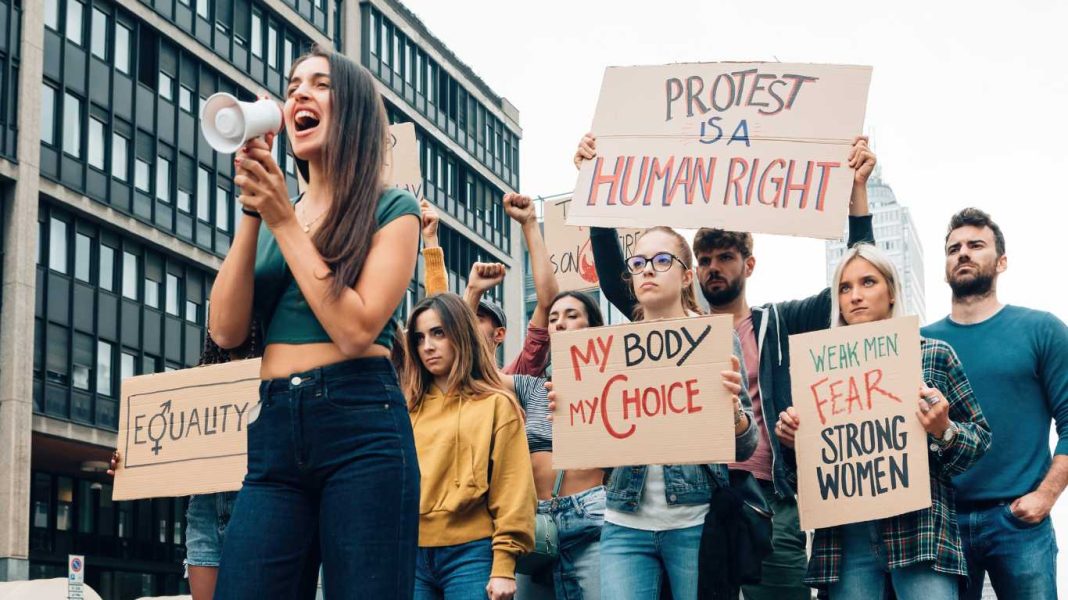
The decision to overturn Roe v. Wade was met with intense public reaction. Supporters of the ruling argued that it allowed states to better represent their constituents’ views and protected the rights of the unborn. Opponents, however, viewed it as a significant setback for women’s rights and personal autonomy, sparking widespread protests across the country.
The ruling also influenced political discussions leading up to the 2022 midterm elections, with reproductive rights becoming a central issue for many candidates and voters.
Long-Term Implications
The end of Roe v. Wade has had far-reaching effects on healthcare, legal precedents, and women’s rights in the United States. It has reshaped the legal landscape for reproductive rights, spurred legislative changes at the state level, and may continue to influence future Supreme Court cases. The decision has also prompted discussions about privacy rights and legal protections for other issues, raising questions about the stability of previous Supreme Court precedents.

The Urban Woman Magazine Editorial Team is made up of seasoned writers and editors who have a keen eye for detail and a passion for all things urban. We strive to create fresh, original content that appeals to the modern woman. Our mission is to provide a platform for women to share their stories, experiences and opinions on various issues affecting their lives.