

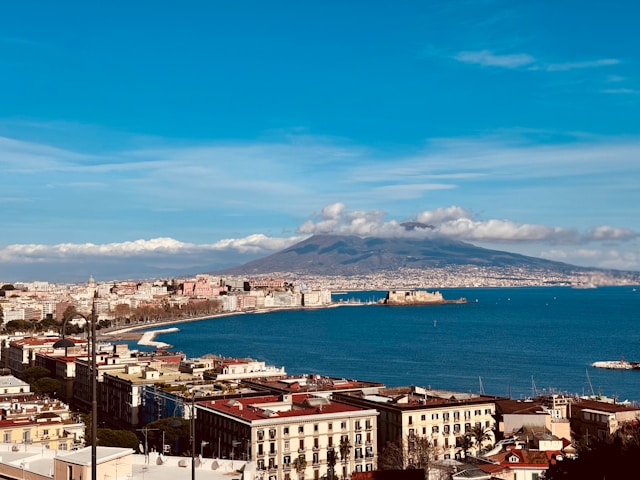

This morning, the Italian city of Naples was rocked by a powerful 4.6-magnitude earthquake—one of the strongest to hit the region in over four decades. It struck just after 9 a.m., sending shockwaves through the city and surrounding areas, prompting panic, halting trains, and a swift emergency response.
The epicentre? Just off the coast near the Phlegraean Fields—Europe’s largest active volcanic caldera and one of the most closely watched geological zones in the world.
Locals described the quake as sudden and explosive, with some saying it felt like a bomb had gone off. Buildings shook. Facades crumbled. In some areas, rubble hit the streets and damaged cars, while firefighters worked to rescue at least one woman injured in a ceiling collapse.
Although there are no reported fatalities and structural damage appears limited, the psychological jolt is real. Naples, a city that sits between history and hazard, is once again reminded of its volatile underbelly.
But this wasn’t an isolated event. The tremor was part of a “seismic swarm”—a rapid cluster of small to moderate quakes that scientists say could signal deeper unrest. These swarms are often linked to bradyseism, a phenomenon where underground magma and gases shift, causing the land to rise and fall. Think of it as the earth breathing—and this morning, it exhaled sharply.
So what does this mean for the 900,000+ residents of Naples—and anyone who lives near or visits geologically active regions?
First, it’s a wake-up call. Emergency kits, evacuation plans, and structural awareness aren’t just survivalist talking points; they’re essentials, especially in areas that sit atop volcanic systems.
Second, it’s a powerful reminder that nature isn’t something we control, no matter how modern the skyline. The Phlegraean Fields have been stirring since 2005, and while experts say there’s no immediate eruption threat, increased activity like this often precedes larger events.
For now, authorities continue to monitor the area closely. Residents are urged to stay calm but alert, and scientists are watching the data hour by hour.

Peace Nero is a writer and blogger who loves to explore different topics of self-development. She shares her personal experiences in order to help people discover their true purpose in life.